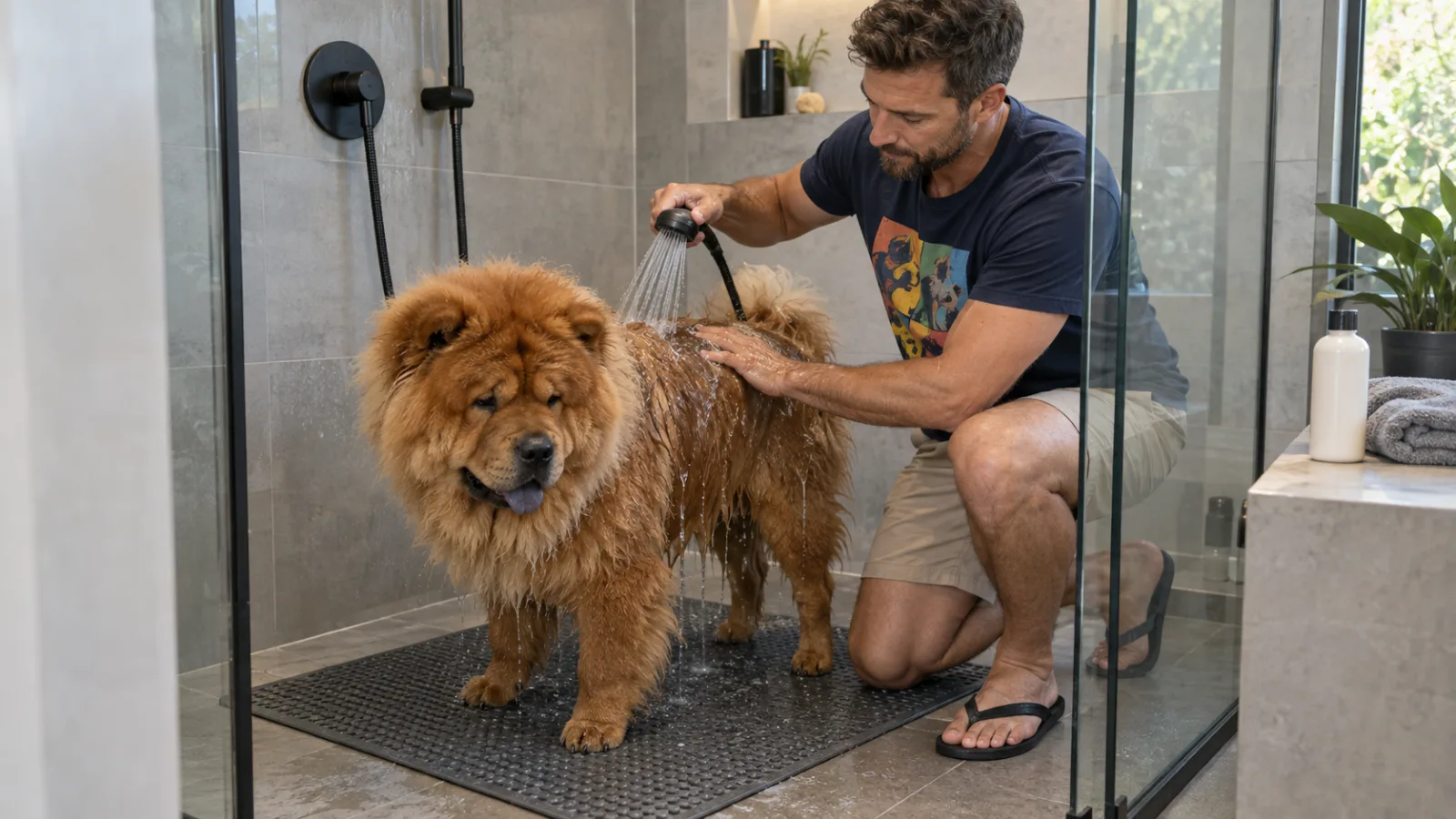
How often should you bathe your dog? There is no single schedule for every dog. A healthy, clean dog may need a bath only every few months. A dog that gets dirty often or needs skin treatment may need more frequent baths. Nails also need trimming based on their length, not just the calendar. The goal of at-home grooming is to keep your dog clean and comfortable without irritating the skin or turning each session into a struggle. [1,2]
This article provides general guidance. It does not replace veterinary care or a hands-on nail-trimming demonstration.
How Often Does Your Dog Really Need a Bath?
Dogs do not automatically need weekly baths. Frequent bathing is not always harmful, either. The right schedule depends on skin health, coat type, and how dirty your dog gets. Some breeds that shed very little are commonly bathed every six to eight weeks. This is an example, not a rule for all dogs. For certain skin conditions, a veterinarian may prescribe frequent baths with medicated shampoo. [1]
A strong odor that quickly returns, itching, or red skin needs attention. Another bath may not address the cause. [2]
Natural Skin Oils and Your Dog's Skin pH
Sebum is an oily substance produced by the skin. It helps protect the skin and coat. Harsh washing can strip away oils and contribute to dryness. A dog's skin also has a different pH, or level of acidity, than human skin. Choose products made for dogs. However, pH alone does not determine whether a shampoo is suitable. Its ingredients and your dog's skin condition matter, too. [1,2]
Summer, Winter, and Different Coat Types
Hot weather alone is not a reason for more frequent baths. In winter, use a comfortably warm room and dry your dog thoroughly. Short coats are usually easier to dry. Double coats have a dense undercoat. Remove loose hair and make sure the coat dries all the way through. Baths do not replace precautions against overheating on walks. [1,3]
How to Bathe Your Dog at Home With Less Stress
Start before turning on the water. Let your dog explore the bathing area, stand on a nonslip mat, and enjoy treats. Then introduce the sound of running water and the feeling of getting wet in separate, gradual steps. Keep practice sessions short. Move forward only when your dog is comfortable. If your dog freezes, tries to escape, or struggles, stop and make the next session easier. [4]
A lick mat with a small amount of dog-safe food may help make grooming pleasant. It is not a reason to continue when your dog is frightened. If you use peanut butter, check that it contains no xylitol, a sweetener that is toxic to dogs. [5]
Choosing a Shampoo Made for Dogs
The best dog shampoo is one that suits your dog's skin, not the one with the strongest scent. For routine baths, choose a gentle dog shampoo, preferably without added fragrance. Human shampoo, including baby shampoo, is not a good choice for regular use. It may cause dryness or irritation, although it will not necessarily cause dandruff after every use. Choose medicated shampoo with your veterinarian's guidance. [1]
Water Temperature and Keeping Water Out of the Ears
Use lukewarm water and a gentle stream. Wet the body gradually, massage gently, and rinse thoroughly according to the product label. Leftover shampoo can irritate the skin. Clean the face with a damp washcloth. Do not spray water into the ears, eyes, or nose. Never insert cotton swabs into the ear canal. [2,3]
Drying With a Towel or a Low-Setting Dryer
How can you dry your dog without causing fear? Start by gently blotting with a towel. Avoid vigorous rubbing. A microfiber towel is a useful option. If a dryer is needed, first introduce its sound from a distance. Use low airflow and cool or lukewarm air. Keep it moving and check that the skin is not getting hot. Stop if your dog becomes distressed. Never leave a dog unattended near a heat source. [3,6]
How to Trim Your Dog's Nails Safely at Home
Before your first nail trim, ask a veterinarian, veterinary technician, or skilled groomer for a demonstration. Check the nails weekly. Many dogs need a trim about every three to four weeks, but growth and wear vary. Remember the dewclaws, the nails higher up on the inside of the legs that do not normally touch the ground. [5,7]
Understanding the Quick in Light and Dark Nails
Inside the hard outer nail is living tissue containing blood vessels and nerves. This is called the quick. Cutting it is painful and can cause bleeding. [5]
| Nail feature | What to know |
|---|---|
| Hard outer nail | Remove only small amounts from the excess tip. |
| Quick | Often visible as a pink area in light-colored nails. Do not cut into it. |
| Dark nail | The quick is hidden by the nail's color. Do not guess where it ends. |
With light-colored nails, leave a margin before the pink area. With dark nails, remove tiny slivers from the tip and inspect after each cut. If you are unsure where to stop, ask a professional. In very long nails, the quick may extend farther toward the tip. Do not try to reach the ideal nail length in one session. [7]
Using Nail Clippers or a Grinder
Have sharp, properly sized dog nail clippers, good lighting, and styptic powder ready. Support the paw gently and remove a small amount from the tip. Trimming one nail and finishing with a treat is enough for a short session. If using a dog nail grinder, such as a pet-specific Dremel, work in brief touches to prevent heat buildup. Keep hair away from the rotating tool. A grinder can also injure the quick. [5]
First Aid: What if the Nail Bleeds?
If you cut a nail too short, stop trimming. Hold a clean gauze pad against the tip with gentle, steady pressure for a few minutes. You can apply styptic powder according to the label. If none is available, a little cornstarch on the nail tip may help with minor bleeding. Cornstarch is not a disinfectant. [7,8]
Contact your veterinarian if bleeding continues after several minutes of pressure. Heavy bleeding, a torn nail, or significant pain needs immediate veterinary attention. Once bleeding stops, keep the area clean and avoid vigorous play. [8]
Brushing to Manage Loose Hair and Prevent Mats
Brushing removes shed hair and helps prevent tangles. It does not stop normal shedding. Choose a brush and schedule that suit your dog's coat. Long coats or coats that tangle easily may need daily brushing. Leave mats close to the skin to a professional. Do not cut them out with scissors at home. Bald patches, itching, or a sudden change in shedding need veterinary attention. [1,2]
A suitable diet also supports healthy skin and coat. Learn more in our guide to choosing dry dog food and reading food labels.
Frequently Asked Questions
When Can a Puppy Have a First Bath?
A healthy puppy can generally have a bath at around eight weeks old if needed. Use a warm room and dry the puppy thoroughly. For younger puppies, spot-clean dirty areas and ask your veterinarian for advice based on the puppy's condition. [3]
Can Frequent Baths Cause Skin Problems?
Yes, especially with an unsuitable shampoo or incomplete rinsing. However, a prescribed bathing routine can help treat certain skin conditions. [1,2]
How Do You Trim a Dog's Nails if the Dog Struggles?
Stop. Practice briefly touching a paw, letting go, and giving a treat. Gradually introduce the clippers, then work toward trimming one nail. Severe fear or pain calls for professional help. [4,7]
Do Dogs That Run on Pavement Still Need Nail Trims?
Sometimes. Wear is not always even, and pavement does not wear down the dewclaws. Check each nail individually. [5,7]
How Can You Clean a Muddy Dog Without a Full Bath?
Wash only the paws and dirty areas with lukewarm water or a damp cloth, then dry thoroughly. If dirt remains, use dog shampoo and rinse it out completely. [1]
If you notice itching, redness, or sensitivity while grooming, record it in your dog's medical notes in Vupo ahead of the next veterinary visit. That way the detail is not lost between appointments.
Professional Sources
- VCA Animal Hospitals: Grooming and Coat Care for Your Dog
- Blue Cross: Dog Skin and Ear Care
- American Kennel Club: A Beginner's Guide to Bathing Your Puppy the Right Way
- Dogs Trust: How to Handle Your Dog
- American Kennel Club: How to Trim Your Dog's Nails Safely
- RSPCA: Choosing the Right Dog Groomer
- VCA Animal Hospitals: How to Trim a Dog's Nails
- PetMD: How to Stop a Dog's Nail From Bleeding