This article provides general information and does not replace a veterinary exam or advice. Do not give your dog medication without veterinary guidance.
Did your dog come home from the dog park and start coughing as if something were stuck in their throat? Kennel cough is one possibility, but the sound alone cannot confirm the diagnosis. A foreign object, a collapsing trachea, and other conditions can also cause coughing.
What should you do if your dog is coughing and gagging? Stop the activity, keep your dog away from other dogs, and call your veterinarian. Tell the clinic about the cough before arriving. If possible, record a short episode without deliberately triggering it. Trouble breathing, blue gums, or collapse require immediate emergency veterinary care. [5]
What Is Kennel Cough, and How Does It Spread?
Bacteria and Viruses: The Role of Bordetella bronchiseptica
Kennel cough is a common name for a contagious respiratory illness, not a single infection. It is part of canine infectious respiratory disease complex, or CIRDC. Possible causes include the bacterium Bordetella bronchiseptica and several viruses, including canine parainfluenza virus.
One organism may be involved, or several may act together. Inflammation and irritation in the trachea, or windpipe, and the bronchi, the larger airways leading into the lungs, trigger coughing. The name can be misleading: dogs do not have to visit a kennel to catch it. [1]
Airborne Spread at Dog Parks, Boarding Facilities, and Grooming Salons
Tiny droplets and respiratory secretions released during coughing and sneezing can carry infectious organisms. Close contact, shared bowls and toys, and contaminated hands can also spread them. Crowded settings increase the risk.
When considering contagious diseases at dog parks, remember that an infected dog may spread illness before showing symptoms. During a local outbreak, avoid group activities even if your dog appears healthy. [2,5]
Recognizing Kennel Cough Symptoms
A Dry, Harsh Cough That Sounds Like a Goose Honk
The typical cough is loud, dry, and occurs in repeated bouts. It may sound like a honk and end with gagging or retching. Excitement, exercise, and pulling against a collar may trigger it.
Owners often describe it as "my dog is coughing like something is stuck in their throat." However, this does not confirm kennel cough. Wheezing or rattling sounds are not specific to it either. Do not press on your dog's throat to see whether they cough. [1,4]
White Foam After Coughing: Not Necessarily Vomiting
After a coughing fit, a dog may bring up a small amount of mucus and saliva that looks like white foam. When this happens immediately after coughing, it may come from respiratory secretions and airway irritation rather than a stomach problem.
Still, color alone cannot tell you the cause. Repeated vomiting unrelated to coughing, blood, or unsuccessful attempts to vomit with a swollen abdomen require urgent veterinary attention. [2,5]
Why Do Many Dogs Still Act Normal and Eat Well?
Mild cases may have little effect on a dog's overall well-being. A dog may cough but still ask for food and want to play. That is reassuring, but it does not mean the dog is no longer contagious.
When checking for kennel cough symptoms, also watch appetite, drinking, energy, and breathing at rest. Reduced appetite, weakness, or labored breathing calls for prompt veterinary advice. [5,6]
Diagnosis and Treatment
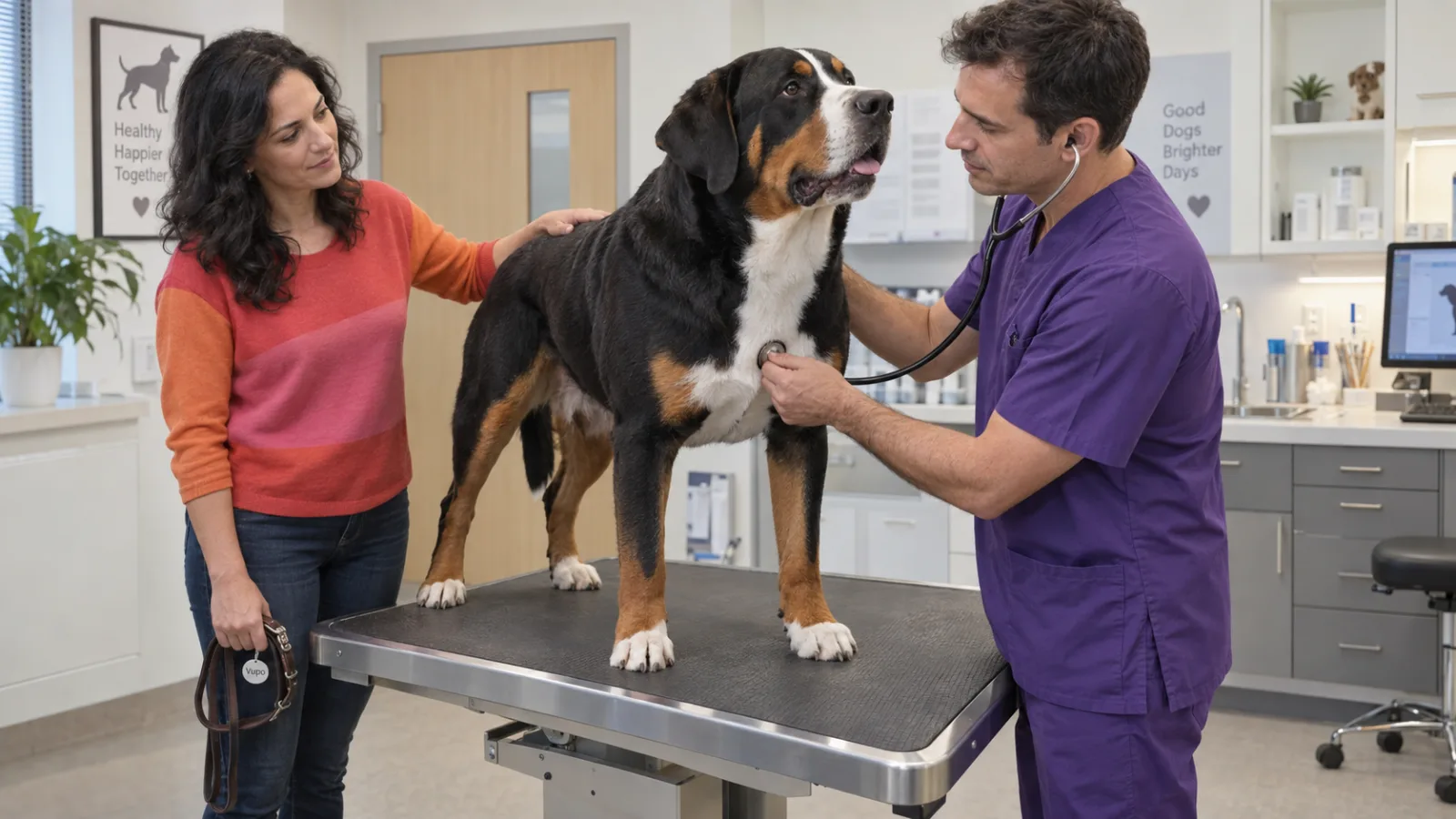
Your veterinarian will ask about recent contact with other dogs, vaccination history, and how long the cough has lasted. They will also examine your dog and listen to the heart and lungs. Depending on the findings, chest X-rays, blood tests, or a PCR test to identify infectious organisms may be needed. Not every mild case requires all these tests. [2]
When Are Antibiotics Needed, and When Is Supportive Care Enough?
There is no single approach to kennel cough treatment in dogs. Mild cases may need only rest, access to fresh water, and monitoring. Antibiotics do not treat viruses and are not automatically necessary. A veterinarian may prescribe them if a significant bacterial infection or a complication is suspected.
Cough suppressants may help with a dry cough that prevents rest. They are not appropriate for every case and should not be used to suppress coughing in dogs with pneumonia. Do not give human cough medicine or leftover antibiotics. [1]
At home, limit running, barking, and excitement. You can offer a quiet activity, such as finding a few pieces of kibble on a clean surface, if your dog feels well and the activity does not trigger coughing. Avoid smoke and irritating sprays. [4]
Preventing Complications and Pneumonia in Puppies and Senior Dogs
Puppies, senior dogs, and dogs with underlying health conditions need extra caution. Worsening coughing, weakness, refusal to eat, or rapid breathing at rest warrants a prompt exam. Difficulty breathing is an emergency.
If your dog's condition worsens, do not wait until the prescribed treatment is finished before seeking help. Severe cases may require hospitalization, oxygen, and additional treatment. [2,4,5]
Prevention and Responsible Community Care
Kennel Cough Vaccines: Intranasal, Oral, and Injectable Options
Vaccination is recommended based on your dog's exposure risk. Depending on the product, vaccines may be given into the nose, by mouth, or by injection. Some intranasal vaccines protect against several organisms and stimulate a local immune response in the respiratory tract.
The vaccine type affects the initial vaccination schedule and how soon protection develops. Boosters are often given annually, although your veterinarian may recommend shorter intervals for dogs at higher risk. Follow the product-specific schedule and your veterinarian's advice. Do not leave vaccination until the last minute before boarding.
Vaccination reduces the risk and severity of illness. It does not cover every cause of kennel cough or guarantee that a dog will not become infected. [3]
Isolation: When Can Your Dog Return to the Dog Park?
When can a dog go back to the dog park after kennel cough? There is no single timeline that fits every case. While your dog is coughing, avoid dog parks, grooming appointments, boarding, daycare, and group training.
The American Kennel Club advises avoiding contact with other dogs for at least two weeks after coughing stops. However, Cornell notes that dogs with Bordetella can remain contagious for eight weeks or longer, even after symptoms resolve. Two weeks is therefore not automatic clearance to return. Ask your veterinarian to set a return date based on the diagnosis and the risk to other dogs. [2,4]
In the meantime, take short, quiet leash walks for bathroom breaks, as your dog's condition allows. Avoid other dogs. At home, keep bowls and toys separate, clean equipment, and wash your hands. Notify your boarding facility, trainer, and the owners of dogs that recently interacted with yours. Finishing antibiotics does not prove that your dog is no longer contagious.
If you have met other dogs recently, you can message those owners directly in Vupo, and hold off on checking in at the park until your veterinarian clears your dog. Include the date of your visit and whether the illness is suspected or diagnosed. Do not claim to know where your dog caught it without evidence. Vaccination status is not a guarantee against transmission.
Frequently Asked Questions
How Can I Tell Kennel Cough Apart From a Bone Stuck in the Airway?
You cannot reliably tell at home. A sudden episode while chewing raises concern about a foreign object. Difficulty breathing requires immediate emergency care. Do not reach deep into your dog's mouth or blindly sweep with your fingers to try to remove something.
Can People or Cats Catch Kennel Cough?
Bordetella can also cause illness in cats. Human infections are rare and mainly affect people with weakened immune systems. If someone in your household is immunocompromised, consult their physician and your veterinarian, and follow good hygiene practices. [2]
How Long Does Kennel Cough Usually Last?
Mild cases often resolve within one to three weeks, although coughing may last longer. Schedule a follow-up exam if there is no improvement within about two weeks, or sooner if symptoms worsen. [4,5]
Can Kennel Cough Go Away on Its Own?
Sometimes, particularly in an otherwise healthy dog with mild illness. However, your veterinarian should assess whether kennel cough is the likely cause and provide instructions for monitoring and isolation. [1]
Can a Vaccinated Dog Still Get Kennel Cough?
Yes. Vaccines do not cover every cause, and protection is not complete. A vaccinated dog that is coughing still needs to stay away from other dogs. [3]
Can a Collar Make Coughing Worse Compared With a Harness?
Pressure on the neck can trigger coughing. A properly fitted harness reduces direct pressure on the windpipe. Keep walks short and calm, with no pulling or running. [4]
Professional Sources
- MSD Veterinary Manual - Kennel Cough
- Cornell University College of Veterinary Medicine - Bordetellosis
- AAHA - Bordetella, Canine Parainfluenza, and Canine Influenza Vaccination Guidelines
- American Kennel Club - Kennel Cough in Dogs
- VCA Animal Hospitals - Canine Respiratory Illness
- Royal Veterinary College - Kennel Cough Fact Sheet