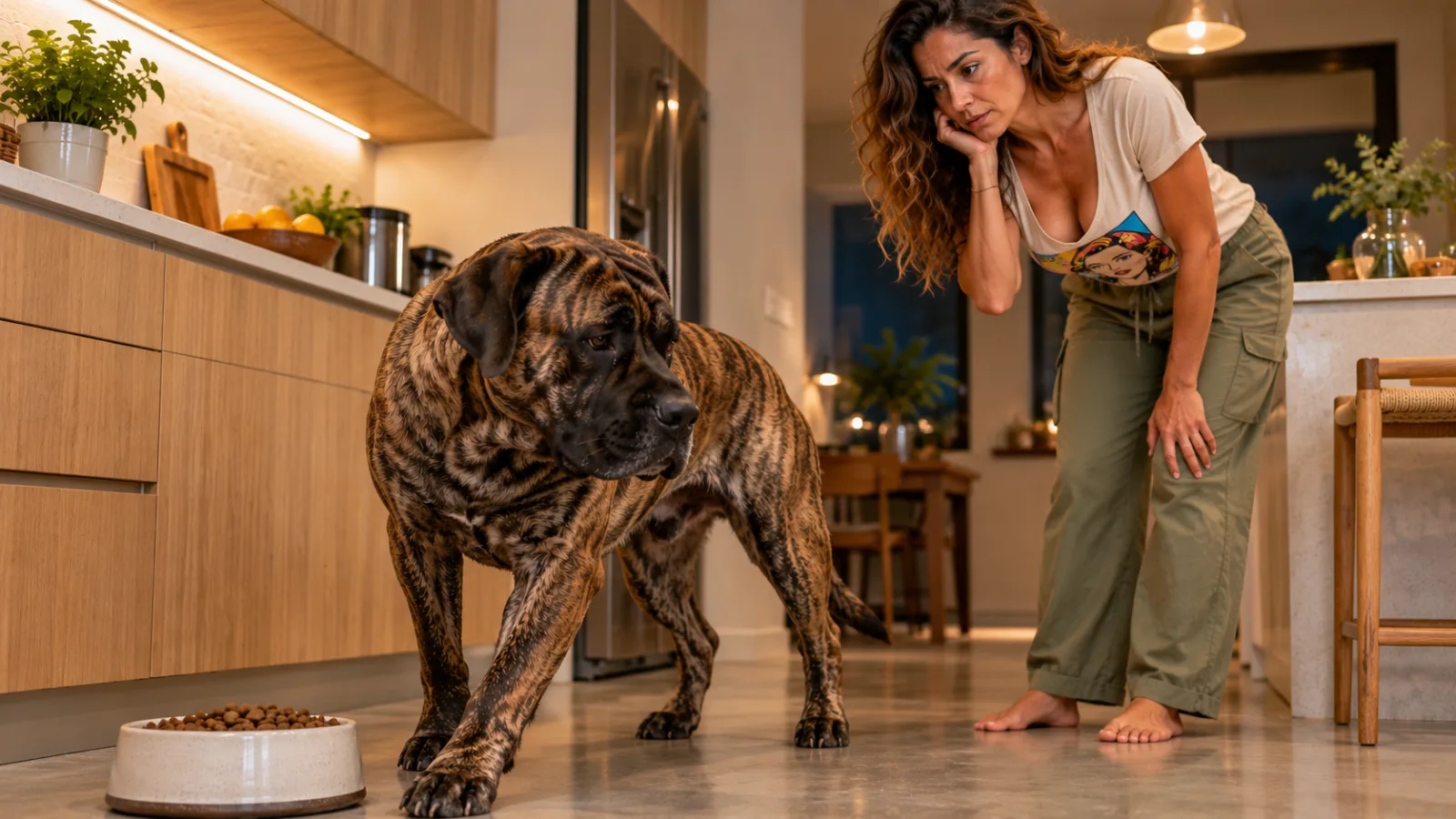
Your dog used to race to the food bowl. Now they sniff their kibble and walk away. Maybe they still accept treats but won't touch dinner.
A change in appetite can be caused by illness, pain, stress, too many calories from snacks, or a learned feeding pattern. Before switching dog foods, it's worth figuring out which situation you're dealing with.
First: When Is Not Eating a Veterinary Concern?
Seek emergency veterinary care if your dog's refusal to eat comes with a swollen or painful abdomen, repeated unproductive retching, collapse, trouble breathing, possible toxin or foreign-object ingestion, or repeated vomiting that prevents them from keeping water down.
Call your veterinarian the same day when poor appetite occurs alongside vomiting, diarrhea, pain, marked lethargy, or major changes in drinking. A sudden unexplained appetite change also deserves a call. A healthy adult dog who skips a single meal but remains bright, hydrated, and otherwise normal may sometimes be observed briefly. If the dog has eaten nothing for 24 hours, do not keep waiting without veterinary advice. Contact a veterinarian sooner for puppies, very small or underweight dogs, dogs with diabetes or other illnesses, and senior dogs with a new appetite change.
One crucial distinction: some dogs don't want to eat, while others want to eat but cannot comfortably chew or swallow. Either problem can be medical. Taking treats does not rule out illness.
Six Medical Reasons a Dog May Stop Eating
1. Nausea or Gastrointestinal Problems
Gastroenteritis, constipation, parasites, pancreatitis, and sometimes an intestinal obstruction can reduce appetite. A nauseated dog might sniff the bowl and turn away, drool, vomit, have diarrhea, or seem uncomfortable. Dogs can feel nauseated without actually vomiting.
What helps: Don't force food. Call your veterinarian based on the severity of the signs. The veterinarian may recommend an exam, blood work, a fecal test, or imaging. Don't give human anti-nausea medications unless your vet specifically instructs you to do so.
2. Dental Disease or Mouth Pain
A dog may be hungry but find chewing painful. Watch for dropped kibble, chewing on one side, bad breath, excessive drooling, or a sudden preference for softer food.
What helps: Schedule a veterinary oral exam. Softer food may make eating easier temporarily if your vet recommends it, but it doesn't treat dental disease, a broken tooth, or oral pain.
3. Internal or Metabolic Illness
Kidney or liver disease, poorly controlled diabetes, and other systemic conditions can affect appetite. Increased thirst, frequent urination, weight loss, or fatigue may occur too.
What helps: Have your vet evaluate the dog. Blood and urine tests may be appropriate. The priority is diagnosing and treating the underlying condition rather than simply making the food more appealing.
4. Pain Elsewhere in the Body
Back pain, arthritis, an injury, or inflammation can make a dog less interested in food. Some dogs have trouble lowering their head to the bowl or standing comfortably during a meal.
What helps: Look for stiffness, limping, changes in posture, or reluctance to move, and arrange an exam. A bowl-placement adjustment may help with comfort, but it won't replace pain management or treatment.
5. Medications and Recent Veterinary Care
Certain medications can cause nausea or appetite changes. Some dogs also eat less temporarily after anesthesia, surgery, or vaccination.
What helps: Tell your veterinarian when the change started and what treatment your dog received. Never stop or adjust a prescribed medication without veterinary guidance.
6. Aging and Changing Nutritional Needs
Some senior dogs become less active and require fewer calories than they did when they were younger. Age-related changes in smell can also make food less interesting. However, a new loss of appetite is not something to dismiss as 'just getting old.' Dental disease, pain, chronic illness, and muscle loss all deserve consideration.
What helps: Monitor body weight, body condition, and muscle condition. Have your senior dog examined and discuss appropriate portions, textures, and meal frequency. Do not automatically cut calories simply because a dog is older.
Six Behavioral and Environmental Reasons
7. Too Many Treats or Oversized Portions
Training treats, table scraps, chews, and frequent snacks add up. A dog may approach dinner already full, especially if the extras are more enticing than their regular kibble.
What helps: Count all daily calories, not just the food in the bowl. Adjust portions with your veterinarian's guidance if needed. As a general rule, treats should contribute no more than about 10% of a healthy dog's daily calories. You can often use part of the regular kibble ration for training rewards.
8. Refusing Dinner Has Become a Learned Pattern
Here's a familiar scenario: the dog sniffs the bowl and walks away. Concerned, the owner offers chicken, hand-feeds a few bites, or swaps the kibble for something tastier. When this happens repeatedly, the dog may learn that refusing dinner is followed by attention, interaction, or a higher-value food option.
This is unintentional reinforcement, not proof that the dog is consciously manipulating anyone. Sometimes the added attention is rewarding; sometimes the upgraded food is the stronger incentive. This explanation is appropriate only after medical and other relevant causes have been considered.
What helps: For an otherwise healthy adult dog cleared for a structured feeding plan, serve measured meals on a predictable schedule. Avoid routinely offering a tastier replacement, hand-feeding, or adding treats in response to refusal. If your dog is an appropriate candidate, you can pick up an untouched bowl after about 15-20 minutes and offer the planned meal again at the next scheduled feeding. Never use prolonged hunger as a training technique. If the dog still refuses food, loses weight, or becomes unwell, call your veterinarian rather than continuing the experiment.
9. Stress, Anxiety, or Household Changes
Moving, visitors, loud noises, a new baby, a changed routine, or an owner's absence can disrupt eating. Some dogs are reluctant to eat unless a familiar person is nearby; others show additional signs of separation-related distress.
What helps: Identify recent stressors, provide a quiet feeding location, and keep routines predictable. Significant anxiety may warrant a behavior plan coordinated with your veterinarian and a qualified reward-based behavior professional.
10. Competition or Tension Around Other Dogs
One dog may gulp meals because another dog is nearby; another may avoid the bowl altogether. Dogs don't have to growl or fight for the feeding area to feel stressful.
What helps: Feed dogs separately in low-stress spaces. If resource guarding or aggression is present, seek help from a qualified behavior professional.
11. A Food Change or Stale Kibble
A new formula may smell or taste different. A sudden diet switch can also upset the stomach, while improperly stored kibble may lose freshness.
What helps: Check the expiration date, packaging, smell, and storage conditions. When a diet change is appropriate, transition gradually over roughly 7-10 days unless your vet recommends otherwise. Avoid repeatedly switching formulas every time your dog hesitates.
12. An Uncomfortable Feeding Setup
A sliding bowl, noisy kitchen, constant foot traffic, or another pet approaching during meals can interfere with eating. Free-feeding all day also makes it harder to tell how much your dog actually consumes.
What helps: Try a stable bowl and a quiet location, and consider scheduled meals. Some dogs enjoy food puzzles or scatter feeding; others do best with a simple bowl and privacy.
What Does Your Dog's Behavior Suggest?
| What you're seeing | Possible explanations | Next step |
|---|---|---|
| Refuses food and treats | Nausea, pain, illness, significant stress | Contact your veterinarian promptly |
| Eats treats but refuses kibble | Full from snacks, food preference, learned pattern - or illness | Consider medical context and review feeding habits |
| Tries to eat but drops kibble | Dental or oral pain | Veterinary mouth exam |
| Eats only when you're present | Stress, reassurance, learned routine | Assess context and rule out medical causes |
| Eats less and loses weight | Illness or inadequate intake | Veterinary examination |
| Eats less but maintains weight and energy | Portion may exceed needs | Review calories, treats, and body condition |
These are clues, not diagnoses.
A Seven-Step Feeding Plan for Medically Appropriate Dogs
This plan is intended primarily for a healthy adult dog, after medical concerns have been addressed and when the history suggests feeding habits or inadvertent reinforcement may be contributing.
Step 1: Check Health First
Assess energy, hydration, gastrointestinal signs, pain, and weight changes. Consult your veterinarian about a new or ongoing refusal before starting behavior-based feeding changes.
Step 2: Measure Actual Daily Intake
Include meals, training treats, chews, and table scraps. Check whether the total is appropriate for the dog's body condition and activity level instead of relying only on the feeding guide printed on the bag.
Step 3: Set Predictable Mealtimes
Two meals a day work for many adult dogs, though meal frequency must be tailored to medical and individual needs. Feed in a calm, consistent place.
Step 4: Use a Defined Mealtime When Appropriate
For a healthy adult dog who is a good candidate, serve the planned portion and let the dog eat without pressure. You may remove the bowl after about 15-20 minutes if the dog doesn't eat, then offer the next planned meal at the usual time. Do not automatically double the next portion. The goal is adequate nutrition, not waiting the dog out. If the dog continues refusing meals, reassess with your vet rather than extending the fast.
Step 5: Stop Accidentally Rewarding Food Refusal
Don't automatically hand-feed, add chicken or cheese, or switch foods solely because the dog walked away. Keep giving your dog normal affection, play, and attention outside mealtimes. This isn't about ignoring or punishing your dog.
Step 6: Reduce Mealtime Stress
Feed separately from other pets when needed, keep foot traffic low, and adjust the feeding location or bowl if it appears uncomfortable.
Step 7: Track Progress and Reassess
Record portions served versus eaten, treats, weight, energy, and any symptoms. If eating doesn't improve or your dog loses weight, stop treating the problem as mere pickiness and seek another veterinary or behavioral evaluation.
Common Mistakes to Avoid
- Switching dog food immediately without understanding the cause.
- Giving extra treats while overlooking the calories they add.
- Hand-feeding every refused meal, potentially creating a new expectation.
- Pressuring or punishing the dog at the bowl.
- Calling the dog stubborn instead of checking for illness, pain, or stress.
- Continuing to withhold food despite ongoing refusal or weight loss.
How Vupo Can Help
With Vupo, dog owners can maintain a dog profile and set health-related reminders. Paired with your own notes on meals, treats, and your dog's weight, a consistent record can help you notice changes and discuss them with your veterinarian. Vupo does not diagnose appetite problems or replace veterinary or behavior care.
Frequently Asked Questions
My dog won't eat kibble but will eat treats. Is my dog just picky?
Not necessarily. Too many snacks, food preferences, or a learned feeding routine are possible, but dental pain or nausea can cause selective eating too. Don't dismiss a new or persistent change.
My dog isn't eating but is acting normal. Can I wait?
A single missed meal in an otherwise healthy adult dog isn't always an emergency. However, a sudden appetite change is worth discussing with your vet. Don't wait beyond 24 hours of no food without veterinary guidance, and seek help sooner for puppies and medically vulnerable dogs.
Should I add chicken, broth, or wet food to get my dog to eat?
Sometimes a palatability or texture change is useful under veterinary guidance. But repeatedly adding extras whenever a dog refuses their regular food can unintentionally reinforce that pattern. Avoid salty, seasoned broths or foods with onion or garlic.
Should I pick up the bowl if my dog won't eat?
A structured 15-20-minute mealtime can be appropriate for a medically cleared healthy adult dog. It is not a starvation strategy and should not continue when a dog is refusing food or losing weight.
Can a dog refuse food to get attention?
A dog may learn that walking away from food reliably leads to extra attention or a better food option. That is a learning process, not necessarily intentional manipulation. Medical causes and stress still need to be considered first.
Is it normal for senior dogs to eat less?
Older dogs may need fewer calories if they are less active, and changes in smell can affect food interest. But a new loss of appetite requires evaluation: dental disease, pain, chronic illness, and loss of muscle condition can all contribute.
Why does my dog eat only when I'm standing nearby?
Your presence may make the dog feel more secure, or it may have become part of the mealtime routine. Consider separation-related stress if there are other signs of distress, and rule out medical problems.
Will more exercise improve my dog's appetite?
Appropriate activity supports overall health, but it won't fix nausea, pain, or an underlying disease. Don't use extra exercise to make an unexplained appetite problem go away.
The Bottom Line: Don't Rush to Switch Foods - Look at the Feeding Pattern
When a dog stops eating their usual food, rule out medical causes first. If your veterinarian has addressed health concerns and the circumstances suggest a learned behavior, pay attention to what happens after your dog walks away from the bowl.
If the owner repeatedly offers hand-feeding, special attention, treats, or tastier food, the dog may learn that refusing the original meal produces a rewarding outcome. This isn't proof of deliberate manipulation; it's a possible result of ordinary learning.
For a medically appropriate healthy adult dog, the response may be straightforward: offer a measured meal at a consistent time, let the dog eat without fuss, remove the bowl after about 15-20 minutes if untouched, and offer the next planned meal at the usual time. Avoid routinely swapping kibble, hand-feeding, or adding high-value extras because the dog refused. Continue giving normal affection and attention at other times.
This isn't punishment, and it isn't a contest of wills. The goal is to stop accidentally reinforcing meal refusal while keeping feeding calm and predictable. If your dog keeps refusing food, eats nothing, loses weight, or becomes unwell, stop the behavior experiment and contact your veterinarian.
Senior dogs need extra consideration. Reduced activity may lower calorie needs, and age-related sensory changes can make food less appealing. But new appetite loss can also signal oral disease, pain, chronic illness, or declining muscle condition. Track body weight and body condition, and have your veterinarian assess the change before chalking it up to aging or applying a timed-meal plan.
In short: Don't automatically change foods. Check health, portions, the feeding environment, and how people respond to refusal. Then choose a medical, nutritional, or behavioral approach - sometimes all three. When a learned pattern is genuinely part of the problem, consistency and avoiding unintentional reinforcement can help restore healthier eating habits.
Professional Sources
- VCA Animal Hospitals - Anorexia in Dogs
- PDSA - My Dog Isn't Eating Properly
- AAHA - Senior Care Guidelines for Dogs and Cats
- WSAVA - Global Nutrition Toolkit
- Merck Veterinary Manual - Behavior Problems of Dogs
- Cornell University - Canine Health Center
This article is educational and is not a substitute for individualized veterinary advice or behavioral assessment.