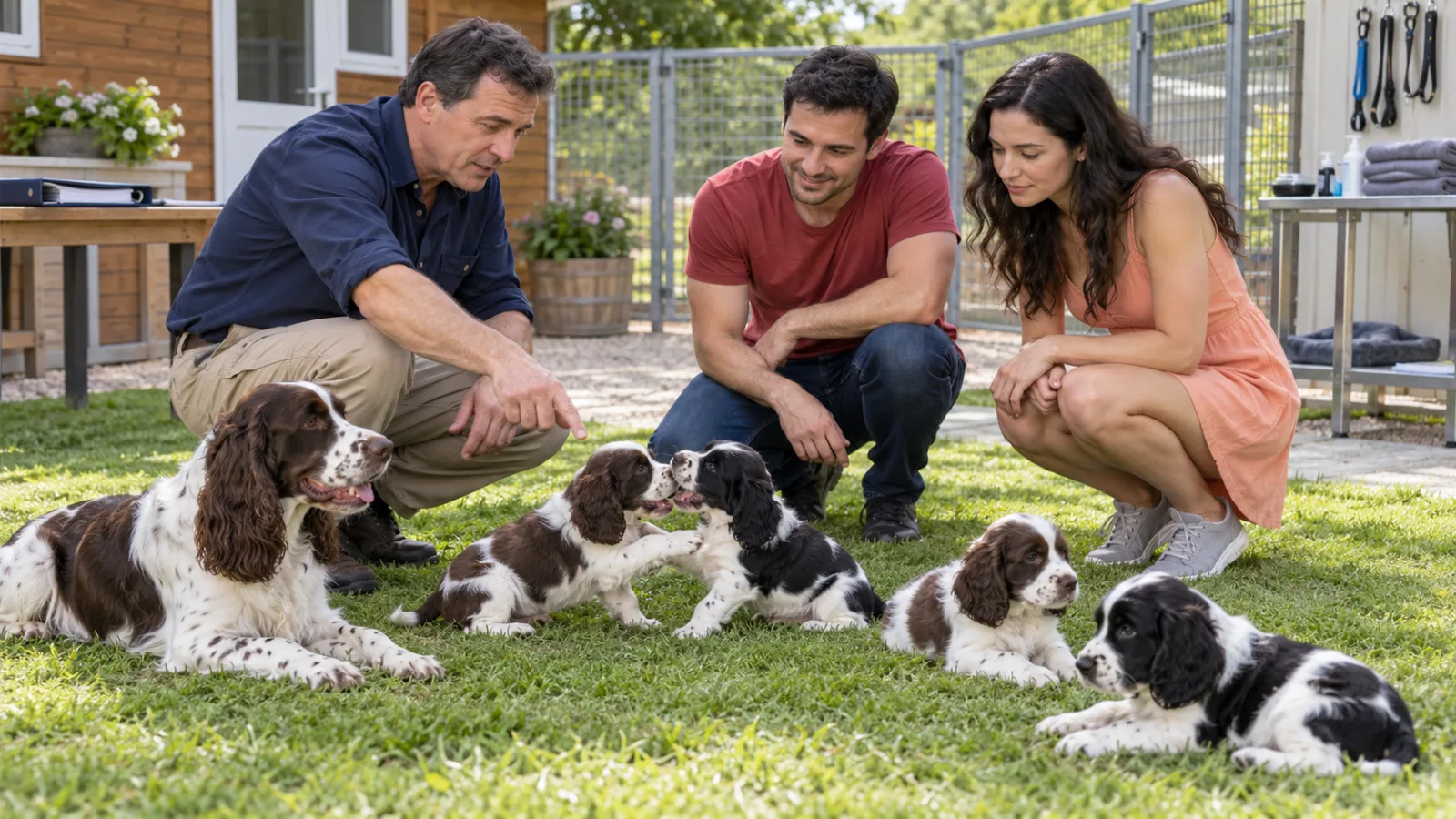
Bringing home your first dog is exciting, but it is also a long-term commitment. The best match is not necessarily the cutest puppy or the breed you always wanted. It is the dog whose energy level, temperament, size, needs, and history fit your real life.
Whether you are adopting from a shelter or rescue, or buying from a responsible breeder, gather as much reliable information as possible before bringing the dog home.
How Do You Choose the Right Dog for Your Lifestyle?
Start with your daily routine. How long will the dog be alone? How much time can you give to walks, training, play, and enrichment? Do you have young children, cats, or another dog? Do you enjoy an active lifestyle or prefer a quieter one?
A first dog should fit the life you actually live. A high-energy dog in a home that cannot meet those needs may become frustrated and difficult to manage.
Purebred or Mixed-Breed Dog: Health, Temperament, and Common Myths
Both purebred and mixed-breed dogs can make excellent companions. Breed can provide useful information about likely adult size, coat care, activity level, and certain behavioral tendencies, but it cannot guarantee temperament or health.
If you buy a purebred puppy in the United States, look for a responsible breeder. Do not rely only on the words "AKC registered." The American Kennel Club is a registry. AKC registration documents ancestry, but it does not guarantee health, quality, or responsible breeding.
Ask which health tests are recommended by the AKC-recognized Parent Club for that breed. Depending on the breed, this may include hip, elbow, eye, cardiac, or DNA testing. Ask to see the actual results, including OFA records when relevant.
A responsible breeder should also provide veterinary records, explain the breed's strengths and challenges, discuss early socialization, use a written contract, and remain available after the puppy goes home.
AKC recognizes purebred status through documented pedigree. Consumer DNA breed tests can estimate ancestry, but they do not establish official purebred status.
Puppy, Adult Dog, or Senior Dog?
A puppy requires a large time commitment. You will need to work on housetraining, puppy biting, sleep routines, leash skills, socialization, alone-time training, and basic manners.
If you adopt a puppy from a shelter or rescue, ask what is known about the puppy's background. Was the puppy born in a home, shelter, or foster home? Was the puppy found as a stray? At what age was the puppy separated from the mother and littermates? What people, animals, sounds, and environments has the puppy experienced?
The organization may not know every answer. That is normal. Still, each reliable detail can help you prepare.
For an adult dog, ask about behavior in a home, housetraining, reactions to children, dogs, cats, strangers, handling, car rides, resource guarding, and being left alone.
History does not determine a dog's future, but it can help identify areas that may require extra support.
A senior dog can be a good match for a quieter household. Their adult size and activity level are already known, although they may need more veterinary care.
Match the Dog's Energy Level to Your Household
A backyard does not replace walks, enrichment, training, or interaction with people.
If your family enjoys hiking and outdoor activity, a more active dog may fit well. If you prefer shorter walks and a calmer routine, consider an adult dog with a moderate activity level.
Choose based on what you can provide consistently for years.
The 3-3-3 Guideline for Newly Adopted Dogs
The 3-3-3 guideline is a popular way to describe how some adopted dogs adjust to a new home. ASPCA uses it as a general framework. It is not a scientific timetable, and every dog adjusts at a different pace.
The First 3 Days: Decompression and Uncertainty
During the first few days, a dog may hide, sleep a lot, eat less, pant, follow you everywhere, avoid you, or seem unusually quiet.
Keep life simple. Limit visitors. Use calm, predictable walks. Give the dog a safe resting place. Do not force petting, play, or introductions.
The goal is to make the environment feel predictable and safe.
The First 3 Weeks: Learning the Routine
As the dog becomes more comfortable, new behaviors may appear. You may see more barking, leash pulling, playfulness, resource guarding, or difficulty being left alone.
This does not necessarily mean the dog is getting worse. The dog may simply feel safe enough to behave more naturally.
Build a consistent routine for meals, walks, rest, bathroom breaks, and short reward-based training sessions.
Around 3 Months: Greater Confidence
After several months, you usually have a clearer picture of the dog's personality, triggers, preferences, and exercise needs.
Three months is not a deadline. A fearful dog or a dog with a complicated history may need much longer.
Look for progress, not dates.
Preparing Your Home Before the Dog Arrives
Safety Checklist
Before bringing the dog home:
- Secure medications, household chemicals, electrical cords, and toxic foods.
- Check fences, gates, doors, windows, balconies, and decks for escape risks.
- Prepare a properly fitted collar or harness and a sturdy leash.
- Update or transfer the dog's microchip registration with your contact information.
- Choose a veterinarian and schedule an initial wellness visit.
- Prepare food, bowls, a bed, safe chews, and a few toys.
- Decide where the dog will sleep and where bathroom trips will happen.
If you are bringing home a puppy, also read Vupo's New Puppy Checklist: What You Really Need. Before adopting, review How Much Does It Cost to Own a Dog in the U.S.? so you understand the ongoing costs.
Create a Quiet Resting Area
Give the dog a place where they can rest without being disturbed. This may be a bed in a quiet corner, a gated room, a playpen, or a crate if the dog has been introduced to it positively.
If you have children, teach one simple rule: when the dog is resting in that area, leave them alone.
Common Mistakes During the First Days
Inviting Everyone Over
Do not turn the dog's first day into a welcome party. The dog is already processing a major change.
Postpone large gatherings. Introduce new people gradually and never force the dog to interact.
Going Straight to the Dog Park
A dog park is usually a poor choice during the first days or weeks. You may not yet know how the dog responds to unfamiliar dogs, crowded spaces, rough play, or conflict.
For puppies, AVSAB recommends safe early socialization but advises avoiding dog parks and other high-traffic areas used by dogs of unknown vaccination or disease status.
Letting the Dog Off Leash Too Soon
Do not assume that a newly adopted dog will stay close because they already seem attached to you.
The relationship is still new, and a reliable recall has not been established. Use a secure leash or long line while you build training and trust.
Adopting From a Shelter or Rescue: What Should You Ask?
Shelters and rescues do not always have a complete history. Ask what staff or foster caregivers actually know and what is only an estimate.
For a puppy, ask about the mother, littermates, age at separation, early environment, medical care, and socialization.
For an adult dog, ask about behavior in a foster home when that information is available. Behavior in a kennel may not reflect behavior in a home.
Also ask exactly what is included in the adoption fee. There is no standard national adoption price in the United States. Fees can range from no fee during special events to several hundred dollars.
Adoption fees often help cover:
- Spay or neuter surgery
- Vaccinations
- Microchipping
- Deworming
- Flea and tick treatment
- Heartworm testing or prevention
- A veterinary examination
Always ask what has already been completed and what you will need to arrange after adoption.
How Vupo Can Help From Day One
The first weeks with a new dog involve many small details. Vupo can help you keep the dog's information in one place, track walks, build routines, and manage reminders for vaccines and other care.
Starting these habits early makes it easier to stay consistent and notice changes over time.
Frequently Asked Questions About Dog Adoption
How much does it cost to adopt a dog in the United States?
There is no national standard. Some shelters waive fees during special events, while other shelters and rescues charge several hundred dollars. The fee often includes veterinary care that would cost more if purchased separately.
What is the 3-3-3 rule for adopted dogs?
It is a general adjustment guideline: about three days to decompress, three weeks to begin learning the routine, and three months to become more settled. It is not a deadline.
Should I take time off work when bringing home a new dog?
If possible, one or two days can help. However, do not stay with the dog constantly for a week and then suddenly leave for a full workday. Begin short, calm periods of separation early and increase them gradually.
How do I choose a dog that is good with young children?
Do not choose based only on breed. Look for a dog with an appropriate history, stable responses to handling and noise, and an activity level that fits the household. Always actively supervise young children around dogs.
What should I do if my adopted dog hides and refuses to come out?
Do not drag the dog out. Keep the area quiet, make water available, and give the dog time. If the dog is not eating or drinking, appears ill, or shows severe or persistent fear, contact your veterinarian and, when needed, a qualified behavior professional.
Final Thoughts
A successful dog adoption starts before the dog walks through your door.
Choose based on real compatibility. Gather as much reliable history as possible. Prepare the home. Keep the first days calm. Build routines gradually.
Do not expect a newly adopted dog to become the perfect family dog immediately. Give the dog time, structure, safety, and reinforcement for behaviors you want to see again.
The 3-3-3 guideline is useful because it reminds people to be patient. It is not a stopwatch.
The goal is not simply to bring a dog home. The goal is to build a relationship that works for both the dog and the family for years to come.
Professional Sources
- American Kennel Club - Responsible Breeders
- American Kennel Club - Breed Health Testing Requirements
- American Kennel Club - Puppy Socialization
- American Veterinary Society of Animal Behavior - Puppy Socialization Position Statement
- ASPCA - Adoption Tips and the 3-3-3 Guideline
- Petfinder - What Is Included in an Adoption Fee?
- Orthopedic Foundation for Animals - Breed Health Testing Resources