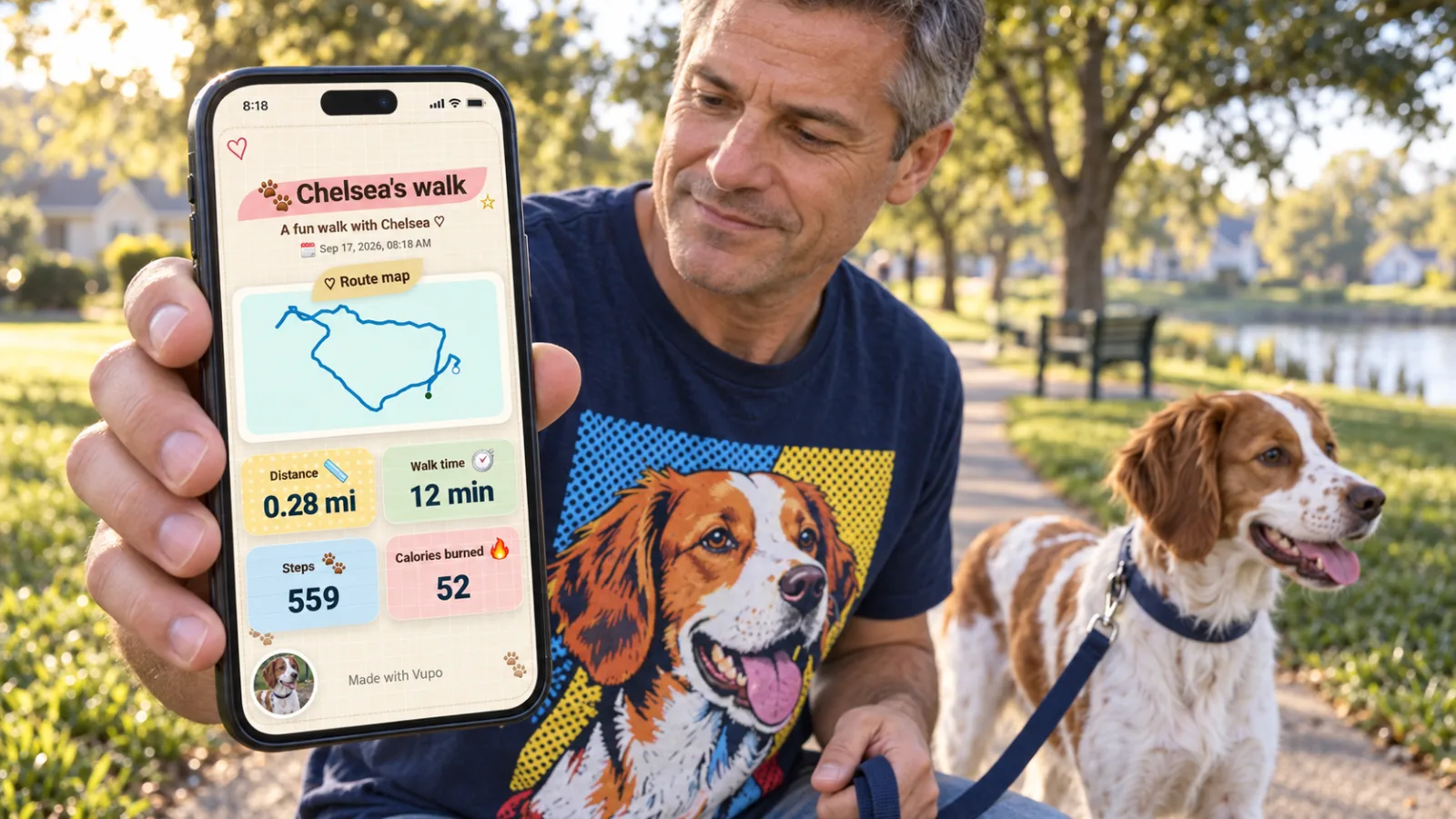
For a healthy adult dog living indoors, 3-4 outings a day are a practical starting point, with walks and potty breaks spread throughout the day. Many dogs do well with 60-90 minutes of walking daily, but this is not a universal minimum. Puppies need more frequent potty breaks, while senior dogs and dogs with medical conditions need an individualized routine.
How often you should take your dog out depends on age, health, fitness, energy level, and walk quality. Also, distinguish between opportunities to relieve themselves and physical exercise: a quick potty break does not replace a fulfilling walk.
Why Walks Are About More Than Potty Breaks
Supporting Bladder Health: What Can Walks Do?
Regular outings let dogs relieve themselves without waiting uncomfortably for long periods. Spread them from morning to bedtime, adding breaks when your dog asks. Never restrict water to reduce potty trips.
Walks do not guarantee prevention of urinary tract infections or bladder stones. Unusually frequent urination, pain, or blood in the urine warrants veterinary attention. Repeated attempts to urinate without producing urine require emergency veterinary care.
Mental and Social Enrichment: Reading the Canine “Morning News”
Sniffing is a major way dogs gather information. Stopping at a bush lets your dog explore and make choices. Social encounters can be rewarding when your dog welcomes them. A good walk also allows space to move away from anything stressful.
Walk Frequency and Duration by Life Stage
These are starting points for planning, not medical prescriptions. Outings include potty breaks; they do not all need to be long walks.
| Age and size | Outing frequency | Suggested duration and approach |
|---|---|---|
| Puppy under 6 months, any size | 5-6 outings may suit some; young puppies often need many more | Brief potty breaks and short exploratory walks, perhaps 10-15 minutes as tolerated |
| Healthy small adult | 3-4 outings, plus additional breaks as needed | Adjust pace individually; small size does not necessarily mean low energy |
| Healthy medium or large adult | 3-4 outings, plus additional breaks as needed | For many, try 60-90 minutes total daily and adjust |
| High-energy adult, any size | Regular outings plus appropriate activities | May need more time, alongside play, training, and sniffing |
| Senior, any size | 3-4 outings or more as needed | Short, gentle sessions, perhaps 10-20 minutes depending on health |
Puppies Under 6 Months: Short, Frequent Outings
Young puppies may need potty breaks every hour or two while awake, plus after sleeping, eating, and playing. Do not treat 5-6 outings as a maximum. A potty break can take just minutes; every outing need not become a walk.
Age alone cannot determine how long to walk a puppy. Start with brief exploration, allow rests, and avoid forced exercise. Ask your veterinarian which environments are appropriate for your puppy’s vaccination status and local disease risks.
For more guidance, see How to Potty Train a Puppy on the Vupo blog.
Adult Dogs: Match the Routine to Energy, Breed, and Lifestyle
Start with 3-4 opportunities to go outside, spaced throughout the day, and add breaks as needed. One example: 25 minutes in the morning, 10 at midday, 30 in the evening, and 5 before bed.
A small terrier may be more energetic than a large dog, while a flat-faced dog may struggle with exertion and heat. Health, fitness, age, and personality matter alongside breed. PDSA’s guidance on tailoring exercise.
Senior Dogs: Gentle Movement Without Pushing Through Pain
Short, regular walks can help maintain mobility and fitness. Adjust pace and terrain, allowing breaks. Limping, difficulty rising, or newly reduced stamina deserves evaluation rather than being dismissed as aging. Consider joint health and heart or breathing conditions when planning exercise.
Quick Potty Breaks vs. Decompression Walks
Why Five Minutes on the Sidewalk Is Not Enough as a Routine
Brief outings serve a purpose, but if every walk ends immediately after your dog goes potty, opportunities to explore, move, and make choices are missing.
What Can 20 Minutes of Sniffing Offer?
A decompression walk allows relaxed movement and exploration in a quiet setting with fewer demands. Use a comfortable harness and a leash length suited to the surroundings and safety. Allow sniffing stops and choices about direction.
For some dogs, this is more calming than a run through a busy environment. There is no scientifically established conversion between sniffing time and running time. Crowded dog parks may increase stress. See Dog Parks in Israel and How to Teach Your Dog to Walk Without Pulling on the Vupo blog.
Adjusting Walks for Summer and Winter
Hot Pavement and Cooler Walking Hours
In hot weather, schedule longer walks early in the morning or after both air and pavement have cooled. Keep midday potty breaks brief and shaded. Bring water and choose cooler surfaces; humid evenings can still be challenging.
Pavement that feels hot is unsuitable for paws, but comfortable pavement does not rule out overheating. Unusual panting, weakness, or unsteadiness requires stopping and urgent attention. RSPCA’s hot-weather walking guidance.
In winter, choose sheltered routes and avoid flooding and slippery surfaces.
Frequently Asked Questions
Is Taking a Dog Out Twice a Day Enough?
If these are the only potty opportunities, this generally creates overly long waits. Plan for 3-4 outings and adjust individually. Two walks plus additional potty breaks is a different arrangement.
How Long Can I Walk a 3-Month-Old Puppy?
Try a short, relaxed outing, perhaps 10-15 minutes with breaks, shortening it as needed. The “five minutes per month of age” rule is not a proven safety limit and does not automatically protect growth plates. PDSA’s puppy exercise guidance.
What If My Dog Refuses to Go Out in the Rain?
Try a calmer time, a sheltered spot, and a raincoat your dog comfortably accepts. Do not drag them. Keep outings brief and add indoor scent games. New or persistent reluctance warrants checking for fear or pain.
Does a Fenced Yard Replace Walks?
A yard offers potty access and play, but usually cannot provide the variety of smells and experiences available elsewhere.
How Do I Know Whether a Walk Was Long Enough?
Look for relaxed behavior at home, comfortable movement, and normal recovery. Falling asleep immediately does not prove the duration was right. Restlessness can reflect stress, pain, or overtiredness.
How Many Miles Should a Dog Walk Each Day?
There is no universal mileage target. Duration matters, but so do pace, weather, sniffing opportunities, and recovery.
Use Vupo to track walk duration, distance, and walking streaks and review your routine over time. Build consistency that suits your dog, without extending walks just to beat a record.