Why Daily Walks Are Vital to Your Dog’s Health
For many of us, the daily dog walk can sometimes feel like just another task on the to-do list. For your dog, however, it may be one of the most important parts of the day.
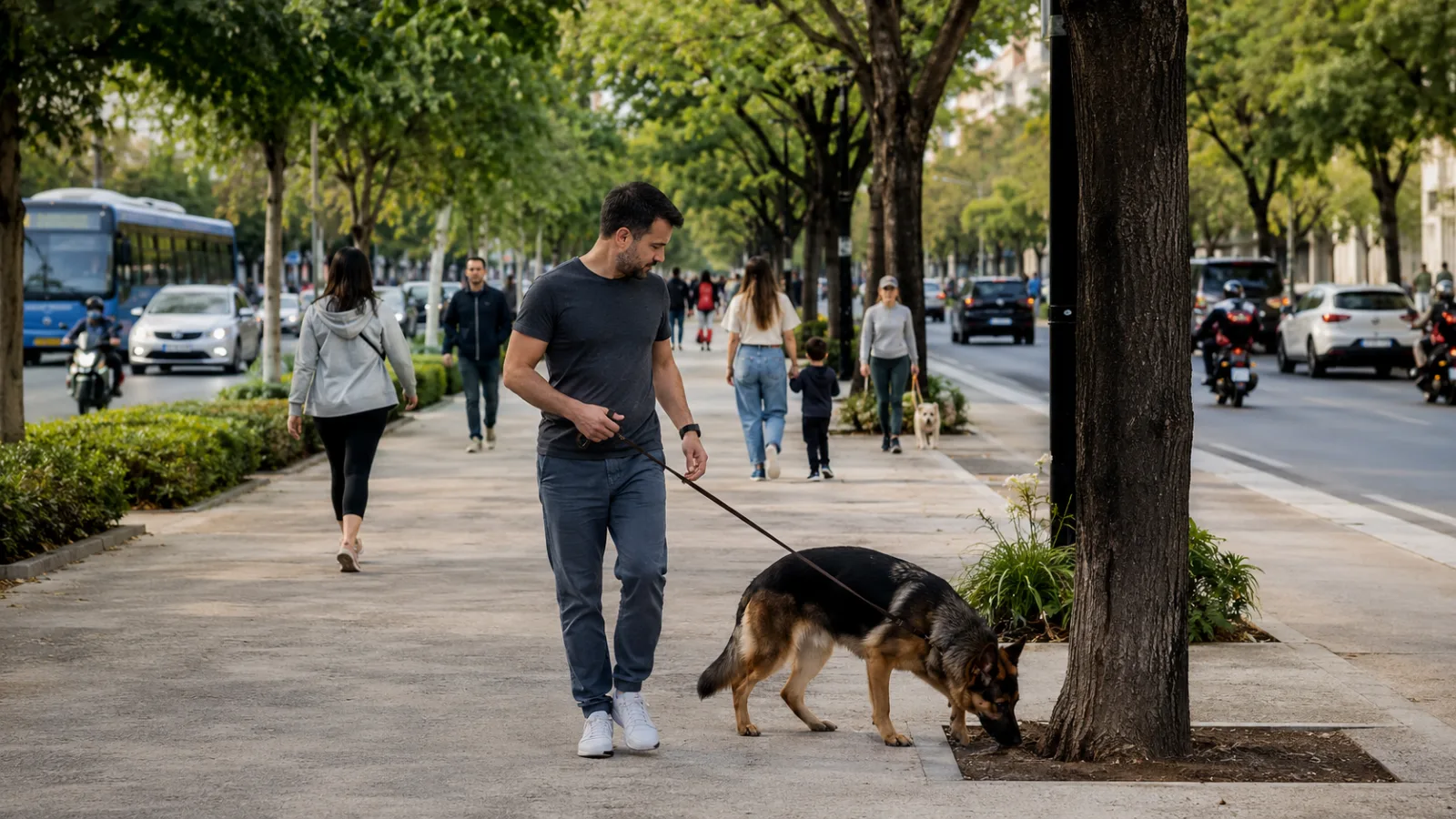
A walk gives dogs an opportunity to explore their surroundings, investigate scents, interact with the environment, and engage in natural behaviors. It is their version of a canine social network—a chance to read messages through sniffing, leave updates through scent marking, and gather information about the world around them.
Research in canine behavior and welfare suggests that regular, high-quality walks play an important role in a dog’s physical health, mental well-being, and emotional balance. When dogs do not receive enough physical activity or mental stimulation, their stress levels, behavior, and overall quality of life may be negatively affected.
What Happens When a Dog Doesn’t Get Enough Walks?
When a dog spends too much time indoors without sufficient physical activity or mental enrichment, that energy does not simply disappear. It may be redirected into restlessness, frustration, or unwanted behaviors.
The following signs are commonly observed by veterinarians, trainers, and dog owners. However, these behaviors can also have medical or behavioral causes unrelated to exercise, so persistent or sudden changes should be discussed with a veterinarian or qualified behavior professional.
Destructive Behavior
A dog may chew door frames or shoes, tear up furniture, or dig at carpets.
This behavior is not usually an act of revenge or anger. It may be an attempt to relieve stress, frustration, or boredom through naturally rewarding activities such as chewing and digging.
Excessive Vocalization
Dogs that do not receive enough physical activity or mental stimulation may become more sensitive to their surroundings.
They may bark at noises in the hallway, birds outside the window, passing people, or simply to gain attention.
Frustration, Anxiety, and Reactivity
A lack of mental stimulation, including opportunities to sniff, explore, and make choices, can contribute to elevated stress levels.
A dog experiencing ongoing stress may develop a lower frustration threshold. This can appear as increased reactivity toward people or other dogs and, in some cases, aggressive behavior.
Indoor Hyperactivity
Frequent “zoomies,” restless pacing, repeated attention-seeking, and difficulty settling down may indicate that a dog needs more appropriate outlets for physical and mental energy.
Physical Health Problems
Insufficient activity may contribute to weight gain, reduced muscle tone, poor physical conditioning, and joint problems.
Dogs that are not taken outside often enough may also experience discomfort from waiting too long between bathroom breaks. In some cases, this may contribute to urinary health problems.
How Long Should You Walk Your Dog?
There is no universal answer, such as “30 minutes and you’re done.”
The ideal duration, pace, and frequency of walks vary from dog to dog and depend on several factors. When planning a walking routine, consider your dog’s age, breed, health, fitness, personality, and individual energy level.
Age
Puppies generally benefit from short, frequent outings that support socialization, house training, and gradual exposure to the outside world.
Because their bones and joints are still developing, puppies should not be pushed into prolonged or overly intense exercise.
Senior dogs may also benefit from shorter, slower walks. Regular, controlled movement can help maintain mobility, muscle strength, and confidence without placing excessive strain on aging joints.
Adolescent and young adult dogs often have higher energy levels and may require more frequent activity and enrichment.
Breed and Genetic Background
Different breeds were developed for different purposes, and those differences can influence their activity needs.
Working and sporting breeds such as Border Collies, Belgian Malinois, and Vizslas were bred to perform physically and mentally demanding tasks for extended periods. A brief walk around the block may not come close to meeting their needs for activity and enrichment.
By contrast, brachycephalic breeds—flat-faced dogs such as Pugs and English Bulldogs—may have difficulty regulating their body temperature and breathing during physical activity. They often require shorter, carefully controlled walks, particularly in warm or humid weather.
Breed can provide useful context, but it should never replace an assessment of the individual dog.
Individual Energy Level
Dogs of the same breed and age may have very different activity needs.
Some dogs are naturally calm and low-energy, while others remain highly active throughout the day. The duration and intensity of a walk should match the individual dog’s energy level, fitness, stamina, and ability to recover after exercise.
Health and Medical Status
Dogs with orthopedic conditions, such as hip dysplasia or arthritis, may need a carefully adjusted exercise plan.
Dogs with heart, respiratory, neurological, or other medical conditions may also require limits on the duration or intensity of their walks.
In many cases, several short walks may be more appropriate than one long and exhausting outing. A veterinarian can help determine a safe activity level for dogs with medical concerns.
A Sniff-Focused Walk Can Be Highly Enriching
Distance is not the only useful measure of a successful walk.
A slow, sniff-focused walk—sometimes informally called a “sniffari”—can provide substantial mental enrichment, even when it covers less distance than a brisk walk or run.
Allowing your dog time to investigate scents, pause, explore, and make appropriate choices can support calmness and mental satisfaction. For many dogs, a balanced routine should include both physical movement and opportunities for unhurried exploration.
The goal is not always to make the dog walk faster or farther. The quality of the experience matters.
How Vupo Helps You Manage Your Dog’s Walking Routine
Because every dog has different needs, managing a consistent walking routine can be difficult without reliable information.
Vupo helps you track your dog’s walks and understand their activity patterns over time.
Real-Time Walk Tracking
Vupo records the duration of each walk and the number of daily outings, giving you a clear picture of your dog’s routine.
Insights and Activity Trends
Instead of relying only on memory or guesswork, you can review summaries, charts, and activity trends over time.
This makes it easier to see whether your dog’s routine has remained consistent or whether their activity has changed from one day or week to the next.
A More Personalized View
By reviewing your dog’s activity data alongside factors such as age, breed, health, and energy level, you can make more informed decisions about their walking routine.
The data can also help you identify patterns and determine whether adjustments may be needed.
Turn Every Walk Into Better Health Management
A walk is much more than a bathroom break or a way to burn energy. It supports physical fitness, mental enrichment, natural behavior, and emotional well-being.
With Vupo, the daily walk becomes part of a more informed approach to your dog’s health—helping you maintain a routine that supports their fitness, mental well-being, and overall quality of life.