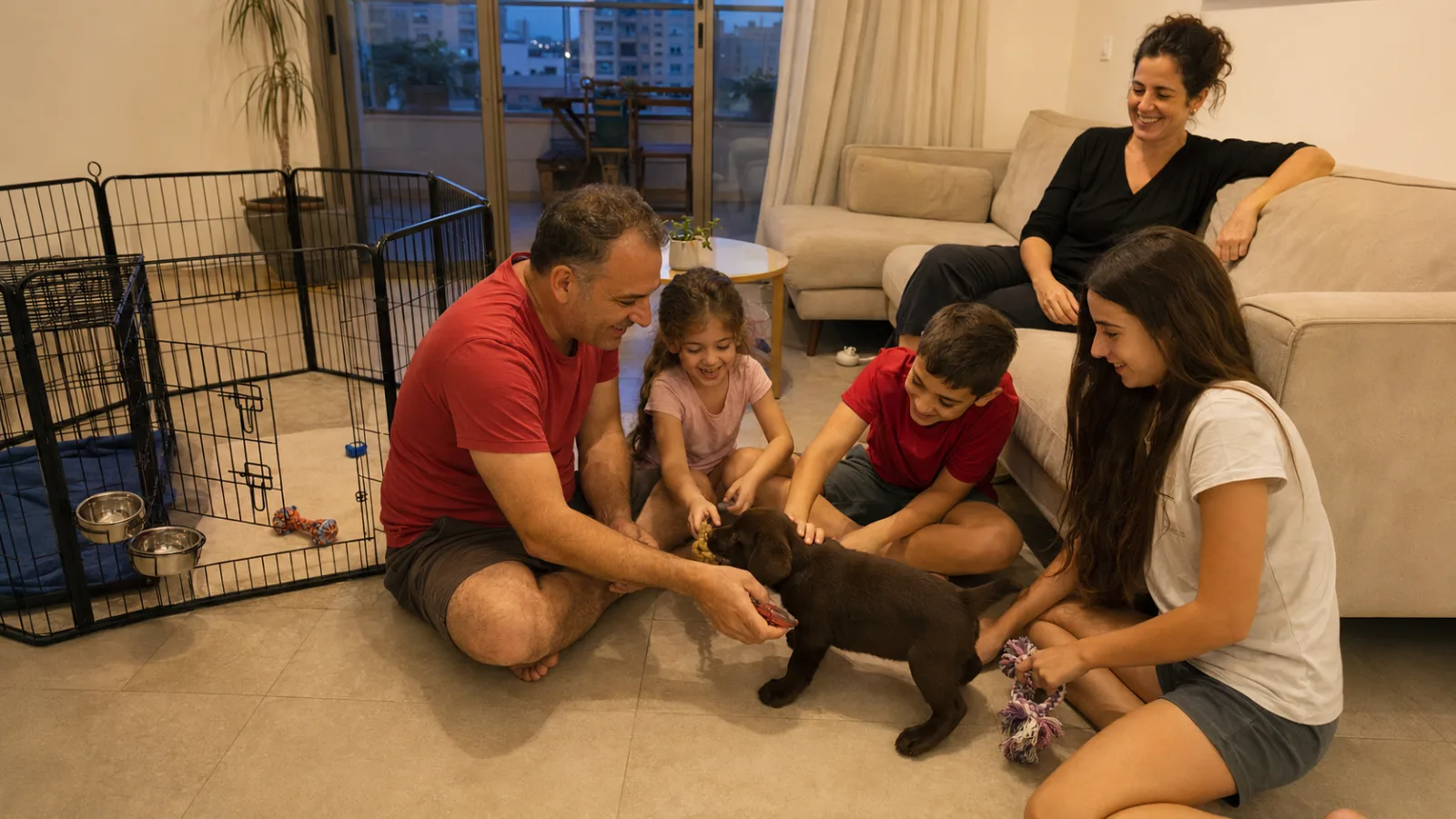
Bringing a new puppy home brings an overwhelming rush of joy, excitement, adorable photo ops, and unconditional love. But alongside the puppy breath and wagging tails come daily hurdles: sleepless nights, sharp puppy teeth, house-training accidents, and endless questions about proper puppy development. And then there is the budget question: how much it really costs to own a dog, in the first year and beyond.
Driven by natural affection and a desire to provide comfort, many pet parents—especially first-time owners—make innocent mistakes with the best intentions. The challenge is that behavioral patterns form rapidly during the first few months of a puppy's life. Left unaddressed, these small missteps can quickly solidify into complex, persistent behavioral issues in adulthood.
To help set you and your puppy up for long-term success, here are 5 of the most common puppy-raising mistakes and actionable ways to get them right from day one.
1. Letting Your Puppy Sleep in Your Bed
The Temptation: An eight-week-old puppy is tiny, vulnerable, and heart-melting. When the whining starts on night one, the instinctive reaction is to scoop them up, bring them into your bedroom, and let them sleep in your bed to soothe them.
Why It's a Mistake:
Dogs are social pack animals, but raising a confident, emotionally resilient adult dog requires teaching them self-soothing skills and healthy independence. Constant, 24/7 physical proximity without boundaries fosters hyper-attachment ("velcro dog syndrome," where your puppy shadows your every step to the kitchen or bathroom). A puppy that never learns to settle comfortably in their own space faces a significantly higher risk of developing severe separation anxiety once your regular work and travel routines resume.
How to Help a Puppy Sleep Independently
- Establish a dedicated rest area: For the first few nights, the pen or crate can sit beside your bed so your puppy feels secure (see Puppy Crying at Night), then move it gradually to its permanent spot in a common area of the house (such as the living room). The mistake is bringing the puppy into your bed.
- Use positive confinement: Set up a playpen or a properly sized dog crate, introducing it gradually with positive associations and high-value rewards.
- Create a calming den: Provide comfortable bedding, a familiar blanket, and a safe chew item (such as a frozen, food-stuffed KONG). Practice brief settling sessions while you are home and visible, building their confidence to relax independently.
2. "Free Feeding" — Leaving Food Out All Day
The Temptation: Your puppy takes two or three bites of kibble, loses interest, and walks away to chase a toy. The immediate reaction is to leave the bowl on the floor so they can graze whenever hunger strikes.
Why It's a Mistake:
Canines thrive on predictable structure. Leaving food out around the clock creates three major setbacks:
- Unpredictable potty routines: Scheduled eating produces scheduled bowel movements. Without structured meal times, anticipating when your puppy needs to eliminate becomes nearly impossible.
- Loss of food value: Kibble that sits out all day loses its aroma and appeal, turning your puppy into an increasingly picky eater.
- Missed training motivation: Food is your single most effective currency for positive reinforcement, engagement, and early obedience training.
How to Build a Healthy Feeding Schedule
- Set consistent meal times: Divide the daily recommended portion into three scheduled meals for young puppies.
- Implement a time limit: Place the bowl down for 10 to 15 minutes only.
- Pick up the bowl: If they finish, great. If food remains, pick up the bowl calmly and offer the next meal at the scheduled time. A healthy puppy will quickly learn to eat promptly once the bowl touches the floor.
3. Avoiding the Outdoors Entirely Until Vaccinations Are Finished
The Temptation: A genuine and understandable fear of dangerous, contagious illnesses (like parvovirus) leads many owners to enforce a strict lockdown, keeping the puppy strictly indoors until 16 weeks of age.
Why It's a Mistake:
A puppy’s critical socialization window closes between 14 and 16 weeks of age. This neurological phase does not reopen. A puppy sheltered from the outside world during this formative stage misses out on encountering diverse sounds, varying ground textures (asphalt, grass, gravel), novel people, vehicular traffic, and everyday environmental cues. This isolation frequently results in fear-based reactivity, chronic anxiety, and hyper-vigilance later in life.
Safe Socialization Strategies Before Full Vaccination
- Carry your pup outdoors: Until your veterinarian clears the full vaccination series, take your puppy out in your arms, in a puppy sling, or in a pet stroller.
- Expose without ground contact: Let them watch city traffic, listen to outdoor sounds, and observe diverse environments from a safe distance—keeping their paws off unsterilized public ground and away from unfamiliar dog waste.
- Controlled indoor playdates: Introduce your puppy to healthy, fully vaccinated, and behaviorally balanced adult dogs belonging to friends and family in clean, controlled private spaces.
- Consult your veterinarian regarding local parvo risk levels in your neighborhood while keeping behavioral health balanced alongside physical wellness.
Complete Puppy Vaccination Schedule
4. Encouraging "Cute" Habits That Become Problem Behaviors
The Temptation: An eight-week-old, 6-pound puppy bouncing on your shins, mouthing your fingertips during play, or burrowing into the couch cushions feels endearing and harmless, often met with laughter and affectionate petting.
Why It's a Mistake:
Behaviors rewarded in a 6-pound puppy become deeply rooted habits in a 60-pound adult with powerful jaws. Play-biting human hands, jumping up on arriving guests, or demand-barking for attention are directly reinforced by early owner responses. Dogs do not understand why an action that earned smiles and cuddles in puppyhood suddenly prompts anger and frustration once they grow larger.
How to Set Clear Boundaries and Prevent Bad Habits
- Align house rules early: Adopt a simple household baseline: what is off-limits for the adult dog must be off-limits for the puppy today.
- Redirect mouthing immediately: If sharp puppy teeth make contact with skin or clothing, freeze your motion to remove the reward of play, and immediately redirect their focus onto an appropriate chew toy or braided rope.
- Prevent jumping for attention: When your puppy jumps up to greet you, turn your back calmly and withhold eye contact and petting. Only reward them with soft praise and gentle touch once all four paws are firmly planted on the floor.
5. Expecting an Unrealistic Potty Schedule
The Temptation: Expecting an eight-to-ten-week-old puppy to hold their bladder for 5 to 6 consecutive hours, or reacting with frustration when an indoor accident occurs.
Why It's a Mistake:
Young puppies lack the physiological muscle tone and bladder control required for extended holding. Beyond physical capacity, puppies operate on predictable biological triggers: they universally need to eliminate immediately after waking up, within minutes of eating or drinking, and directly following vigorous play.
How to Potty Train a Puppy Quickly and Easily
Recommended Schedule for Reliable House Training
- Differentiate long walks from quick relief breaks: Alongside three meaningful outings per day (focused on low-impact exercise, sniff sessions, and environmental exposure), take your puppy out for multiple quick, 2-to-3-minute dedicated potty visits.
- Nail the timing: Escort your puppy outside the exact moment their eyes open from a nap and right after meals.
- Reward on the spot: The second your puppy finishes eliminating outdoors, mark the moment with cheerful praise and a high-value treat within 2 seconds. Providing frequent opportunities and immediate reinforcement is the fastest path to dependable house manners.
Additional Insights for New Puppy Owners
- Household consistency is essential: Mixed signals are the leading cause of puppy confusion. If one family member allows sofa privileges while another reprimands the pup for climbing up, learning slows down significantly due to conflicting feedback.
- Prioritize sleep to prevent overtired behavior: Puppies require 16 to 20 hours of restorative sleep daily. Sudden bursts of frantic zoomies, relentless nipping, and behavioral meltdowns are routinely signs of an overtired puppy rather than stubborn defiance. Often, the best remedy is guiding your pup to their quiet den space for an undisturbed nap.
Vupo keeps your puppy’s first months in one place: a step-by-step training plan that paces the work for you, reminders for vaccinations and preventive treatments, and tracking for daily walks and potty breaks — so a consistent routine is easier to hold, and you can see early on what is working and what still needs practice.
Summary
Raising a puppy is an incredibly rewarding journey. Providing predictable daily routines, structured boundaries, and safe, well-timed socialization does not restrict a puppy—it provides the clarity and security they need to grow into a calm, reliable, and well-adjusted companion for life.